Discover Ecuador’s Andean Highlands – from Quito’s UNESCO center to Cotopaxi Volcano and vibrant indigenous markets. Complete travel guide with tips..
Exploring Ecuador's Andean Highlands: Quito, Cotopaxi, and Indigenous Markets
Where else can you explore a UNESCO World Heritage colonial city in the morning, stand on the equator at noon, and hike on a glacier-capped volcano by afternoon? Ecuador’s Andean Highlands offer this extraordinary convergence of experiences within a remarkably compact region. This comprehensive guide unveils the diverse treasures of this spectacular area—from the sophisticated urban charm of Quito to the raw natural power of Cotopaxi Volcano and the living cultural traditions of indigenous markets. Whether you have three days or three weeks, understanding these interconnected destinations will help you craft your perfect Andean adventure.
The Allure of Ecuador's Andean Region
Ecuador’s Andean Highlands present a microcosm of everything that makes South America compelling: dramatic landscapes shaped by volcanic forces, rich colonial history layered upon ancient indigenous civilizations, and vibrant contemporary cultures maintaining traditions while embracing modernity. The region’s accessibility—with excellent roads connecting destinations just hours apart—makes it possible to experience astonishing diversity without exhausting travel days. From the moment you arrive in Quito, perched at 9,350 feet amidst a ring of volcanoes, you’ll understand why this region has captivated explorers, artists, and adventurers for centuries..
Quito: Where Colonial Splendor Meets Urban Energy
UNESCO Recognition: First city declared World Cultural Heritage (1978)
Architectural Layers: Spanish colonial, Republican, and contemporary styles
Must-Visit Sites: Independence Plaza, Compañía de Jesús Church (gold-leaf interior), San Francisco Church complex
Living Neighborhoods: La Ronda’s artisan workshops, San Blas’s bohemian atmosphere
Modern Contrasts: Contrast with Mariscal’s contemporary dining and nightlife
Beyond the Historic Center
Panoramic Views: Teleférico cable car to Cruz Loma (13,287 ft)
Cultural Institutions: Museo del Banco Central (archaeological treasures), Guayasamín Museum (powerful art)
Urban Parks: Parque La Carolina, Botanical Garden, El Ejido park with weekend artisan market
Culinary Scene: From traditional markets to innovative fusion restaurants
Practical Quito Information
Altitude: 9,350 ft – allow 24-48 hours for acclimatization
Best Exploration: Combine guided historic tours with independent neighborhood wandering
Recommended Stay: 2-3 nights minimum to appreciate the city’s layers
Day Trips: Numerous options to nearby volcanoes, cloud forests, and artisan villages
Cotopaxi National Park: Volcano Adventure
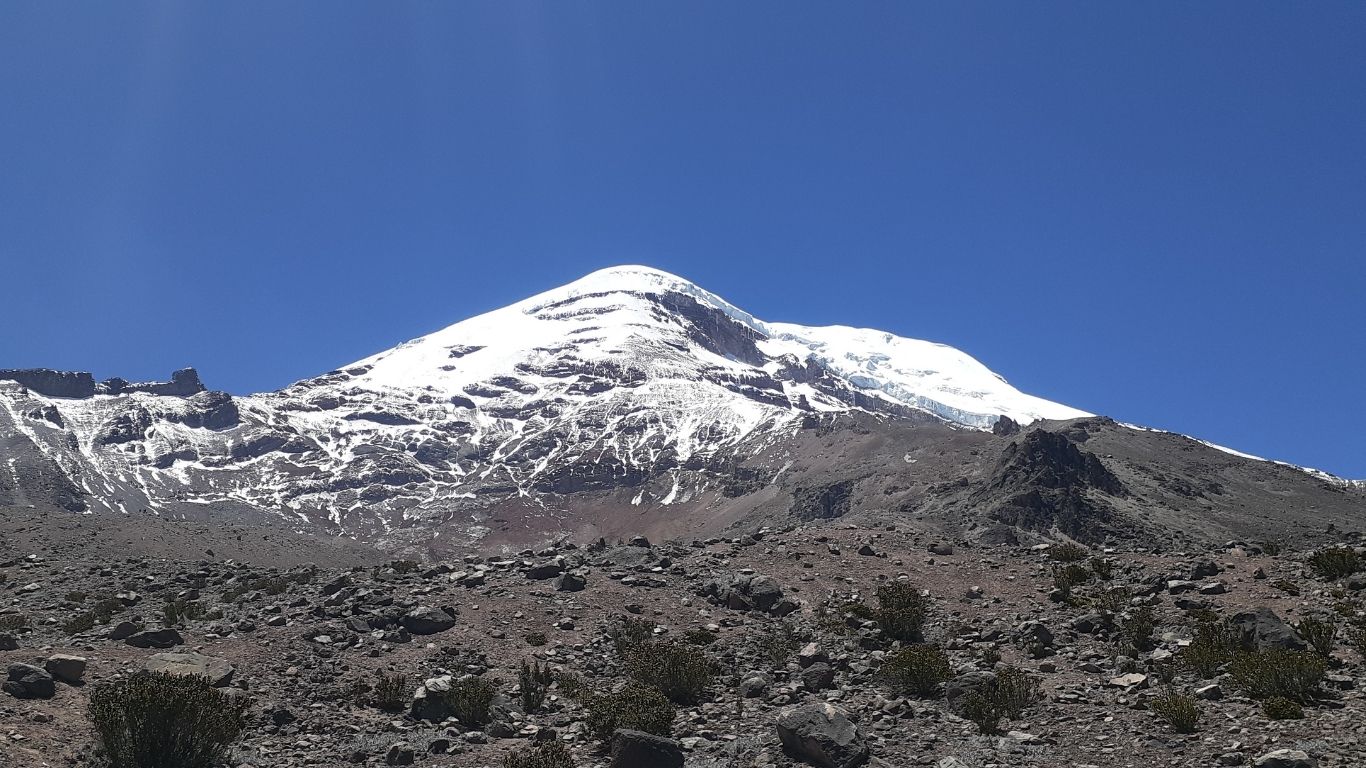
Geological Significance: World’s highest active volcano (19,347 ft)
National Park Status: Protected area encompassing diverse ecosystems
Accessibility: Approximately 2 hours south of Quito via Pan-American Highway
Visual Impact: Perfect conical shape visible from Quito on clear days
Experiences in Cotopaxi National Park
Hiking Options: From gentle lagoon walks to challenging ascent to Refugio (16,404 ft)
Wildlife Viewing: Andean deer, foxes, condors (rare), wild horses
Landscape Diversity: Paramo ecosystem, glacial views, volcanic landscapes
Adventure Activities: Mountain biking, horseback riding, photography
Cultural Connection: Visit traditional haciendas with volcanic history
Visiting Considerations
Altitude Range: 11,500 ft to 16,400+ ft within park
Physical Requirements: Vary by activity – options for all fitness levels
Weather Preparedness: Rapid changes possible; layered clothing essential
Safety: Heed guide advice regarding volcanic activity and weather conditions
Best Time: Dry season (June-Sept) for clearest views; year-round access
Indigenous Markets: Living Cultural Traditions
Significance: One of South America’s largest and most famous indigenous markets
Location: Otavalo, approximately 2 hours north of Quito
Market Days: Saturday largest, but Plaza de Ponchos has daily activity
Specialties: Textiles (wool, cotton), jewelry (tagua nut, silver), leather goods, musical instruments
Cultural Experience: Interact with Otavaleño people known for textile traditions and entrepreneurship
Specialized Artisan Villages
Cotacachi: Renowned for leather craftsmanship – jackets, bags, footwear
San Antonio de Ibarra: Master woodcarvers creating religious and artistic pieces
Calderón: Bread dough figurines (masapán) used in Day of the Dead traditions
Salasaca: Elaborate tapestries and textiles with symbolic designs
Guano: Rug and carpet weaving using traditional techniques
Market Visit Etiquette & Tips
Bargaining: Expected but respectful – start around 60% of asking price
Photography: Always ask permission before photographing people
Payment: US dollars accepted everywhere; small bills helpful
Authenticity: Learn to distinguish handmade from mass-produced items
Cultural Respect: Dress modestly, engage with genuine interest, support fair trade
Connecting the Destinations: Travel Logistics
Private Vehicle: Maximum flexibility, ideal for photography stops
Organized Tours: Knowledgeable guides, social experience, logistical simplicity
Public Transportation: Economical but time-consuming, limited luggage space
Rental Car: Freedom but navigation challenges and insurance considerations
Table: Travel Times Between Key Destinations
| Route | Distance | Private Vehicle | Public Bus |
|---|---|---|---|
| Quito to Cotopaxi | 55 km | 1.5-2 hours | 2-2.5 hours |
| Quito to Otavalo | 90 km | 2-2.5 hours | 2.5-3 hours |
| Otavalo to Cotopaxi | 145 km | 3-3.5 hours | 4+ hours |
| Quito Historic to Airport | 18 km | 45-60 minutes | 60-90 minutes |
Suggested Base Locations
Quito Base: Explore city plus day trips to Cotopaxi, Mindo, Papallacta
Otavalo Base: Immerse in indigenous culture, visit artisan villages, explore lakes
Cotopaxi Area Base: Focus on outdoor activities, multiple volcano visits
Combination Approach: 2-3 nights in each area for comprehensive experience
Altitude Considerations and Health
Quito: 9,350 ft – most visitors experience mild symptoms initially
Cotopaxi: 11,500-16,400+ ft – significant altitude requiring acclimatization
Otavalo: 8,500 ft – comfortable for most after Quito acclimatization
Physiological Impact: Reduced oxygen availability affects everyone differently
Acclimatization Strategies
Gradual Ascent: Itineraries should progress from lower to higher elevations
Hydration: 3-4 liters of water daily; electrolyte supplements can help
Diet: Light, carbohydrate-rich meals initially; avoid alcohol first 48 hours
Pacing: Allow extra time for activities; listen to your body’s signals
Medication: Acetazolamide (Diamox) can help prevent symptoms – consult doctor
Climate and Best Time to Visit
Dry Season (June-September): Clear skies, optimal volcano views, cooler temperatures
Wet Season (October-May): Afternoon showers, lush landscapes, variable visibility
Temperature Range: Generally 50-70°F (10-21°C) in Quito; wider variations at altitude
Microclimates: Weather can differ significantly between valleys and peaks
Month-by-Month Highlights
January-February: Carnival celebrations, variable weather
March-April: Semana Santa (Holy Week) processions
June: Inti Raymi indigenous sun festival
July-August: Peak dry season, clearest volcano views
September-October: Shoulder season, good conditions
November-December: Beginning of rainy season, Christmas celebrations
Packing for Variable Conditions
Layering System: Moisture-wicking base, insulating mid-layer, waterproof outer shell
Sun Protection: High SPF sunscreen, sunglasses, hat – UV intensity extreme at altitude
Footwear: Hiking boots for trails, comfortable walking shoes for cities
Accessories: Daypack, water bottle, headlamp, camera protection
Cultural Engagement and Responsible Tourism
Respectful Interaction Guidelines
Indigenous Communities: Ask before photographing, engage with genuine interest
Religious Sites: Modest dress, follow photography rules, observe quietly
Market Interactions: Bargain respectfully, appreciate craftsmanship
Language: Basic Spanish phrases appreciated; some indigenous languages in rural areas
Cultural Sensitivity: Understand different communication styles and personal space norms
Supporting Sustainable Tourism
Local Economy: Choose locally-owned accommodations, restaurants, guides
Artisan Support: Purchase directly from makers when possible
Environmental Practices: Stay on trails, carry out waste, conserve water
Community Tourism: Consider visits to community-run projects and initiatives
Cultural Preservation: Respect traditions while understanding evolving contexts
Culinary Journey Through the Andes
Traditional Andean Flavors
Street Food: Empanadas, llapingachos (potato patties), hornado (roast pork)
Soups: Locro (potato cheese soup), caldo de patas (foot soup), fanesca (Lent specialty)
Main Dishes: Cuy (guinea pig), seco de chivo (goat stew), trucha (trout)
Beverages: Canelazo (cinnamon sugarcane drink), colada morada (spiced fruit drink)
Markets: Best places to sample authentic local foods
Dining Recommendations by Location
Quito: From historic center traditional restaurants to contemporary fusion
Otavalo Area: Family-run comedores serving local specialties
Cotopaxi Region: Hacienda restaurants with hearty mountain cuisine
Food Safety: Generally excellent standards; follow basic precautions
Photography in the Andean Highlands
Iconic Shot Locations
Quito: Panoramic views from Teleférico, Basilica towers, or Panecillo hill
Cotopaxi: Reflection shots at Limpiopungo Lagoon, dramatic volcano perspectives
Markets: Colorful textile displays, artisan portraits, bustling atmosphere
Cultural Moments: Traditional dress, craft demonstrations, festival activities
Technical Considerations
Altitude Effects: Increased UV, atmospheric haze, dramatic lighting changes
Equipment Protection: From dust, moisture, and temperature variations
People Photography: Always seek permission, offer to share photos
Composition: Include scale elements to convey vast landscapes
Accommodation Options Across the Region
Quito Accommodations
Historic Center: Colonial-era hotels, convenient for walking exploration
Modern Districts: Contemporary hotels with more dining/nightlife options
Boutique Properties: Converted mansions offering unique character
Budget Choices: Hostels and guesthouses for economical stays
Cotopaxi Area Lodgings
Historic Haciendas: Converted estates with volcanic history and charm
Eco-Lodges: Sustainable properties within or near national park
Mountain Refuges: Basic accommodations for climbers and adventurers
Working Farms: Authentic rural experiences with local families
Otavalo Region Stays
Hacienda Accommodations: Traditional properties with garden settings
Community Lodgings: Homestays for cultural immersion
Town Hotels: Convenient for market access and restaurant options
Lakefront Properties: Scenic locations near Cuicocha or San Pablo lakes
Suggested Itinerary Frameworks
Day 1: Quito arrival and historic center exploration
Day 2: Mitad del Mundo (equator) and Teleférico, afternoon to Cotopaxi
Day 3: Cotopaxi National Park activities, return to Quito
Day 4: Otavalo market day trip, evening in Quito
Day 5: Departure or extension
Comprehensive Exploration (8-10 Days)**
Days 1-3: Quito with day trips to surrounding volcanoes and villages
Days 4-5: Cotopaxi National Park with hiking and hacienda stay
Days 6-8: Otavalo region with market, artisan villages, and crater lake
Days 9-10: Return to Quito with specialized interests (museums, cooking class, etc.)
Why Experience the Andean Highlands with Fusion Travel Ecuador
Our specialized knowledge ensures:
Optimal Itinerary Design: Balancing destinations based on your interests and time
Altitude Management: Expert planning for comfortable acclimatization
Authentic Access: Relationships with local communities and unique properties
Logistical Excellence: Seamless coordination between diverse destinations
Cultural Sensitivity: Guidance for respectful and meaningful interactions
Safety Focus: Vetted providers, monitored conditions, emergency protocols
Customization: Tailoring every aspect to your travel style and preferences
Sustainable Practices: Supporting responsible tourism initiatives
Ready to Discover the Andean Highlands?
From volcanic peaks to vibrant markets, Ecuador’s Andes offer unforgettable experiences. Our specialists create personalized journeys that match your interests while ensuring authentic encounters and responsible travel practices.
You can experience highlights in 4-5 days, but 7-10 days allows for more comprehensive exploration. With 4-5 days, focus on Quito and one other area (Cotopaxi or Otavalo). With a week or more, you can comfortably visit all three key areas plus additional destinations like Quilotoa crater lake or Mindo cloud forest
Most travelers experience mild symptoms like headache or fatigue that resolve within 24-48 hours with proper acclimatization. Serious altitude sickness is uncommon at these elevations if you ascend gradually, stay hydrated, and listen to your body. Those with pre-existing heart or lung conditions should consult their doctor before traveling to high altitude
Otavalo’s main market day is Saturday, when it’s largest and most vibrant. However, the Plaza de Ponchos has daily market activity with crafts and textiles. Other artisan villages have varying schedules. We recommend visiting on Saturday if possible, but excellent experiences are available throughout the week
Yes, Cotopaxi National Park is accessible year-round. The dry season (June-September) offers clearer views and better hiking conditions. The wet season (October-May) has more variable weather with possible afternoon showers, but often clearer mornings and lush landscapes. Some trails may be muddier in wet season
Essential packing includes: layered clothing (base, insulating, and waterproof layers), sturdy hiking shoes, sun protection (high SPF, hat, sunglasses), daypack, water bottle, camera, and altitude medications if prescribed. Temperatures can range from near freezing at high elevations to pleasantly cool in valleys, often within the same day.