Everything US travelers need to know about visiting Ecuador’s Amazon. From Yasuni National Park to comfortable lodges, discover how to experience the rainforest safely and memorably.
Ecuador's Amazon Rainforest: A Complete Guide for First-Time Visitors
For travelers seeking an authentic, life-changing rainforest adventure without sacrificing comfort or safety, Ecuador’s Amazon basin offers the perfect gateway into one of Earth’s most biodiverse regions. Just a short flight from Quito, you’ll immerse yourself in a world where pink river dolphins play, howler monkeys call from the canopy, and indigenous communities share ancient wisdom—all while enjoying standards of accommodation and service that meet US traveler expectations. This comprehensive guide addresses every concern first-time visitors have, from health precautions and packing essentials to choosing the right lodge and maximizing wildlife sightings.
Why Ecuador's Amazon is the Perfect Rainforest Introduction
Ecuador presents a remarkably accessible gateway to the Amazon, offering concentrated biodiversity in a manageable scale that doesn’t overwhelm first-time visitors. Unlike the vast expanses of Brazil or Peru, Ecuador’s Amazon region allows for deep immersion in just 4-7 days, with excellent tourism infrastructure that balances authentic wilderness experiences with necessary comforts. The country’s compact size means you can combine your Amazon adventure with Andean highlands, colonial cities, or even Galapagos Islands in a single trip—something unique to Ecuador’s diverse offerings.
Yasuní National Park - The Biodiversity Epicenter
UNESCO Biosphere Reserve with world-record species counts
Access via: Coca (30-minute flight from Quito + 2-hour boat ride)
Best For: Wildlife enthusiasts, photographers, serious birdwatchers
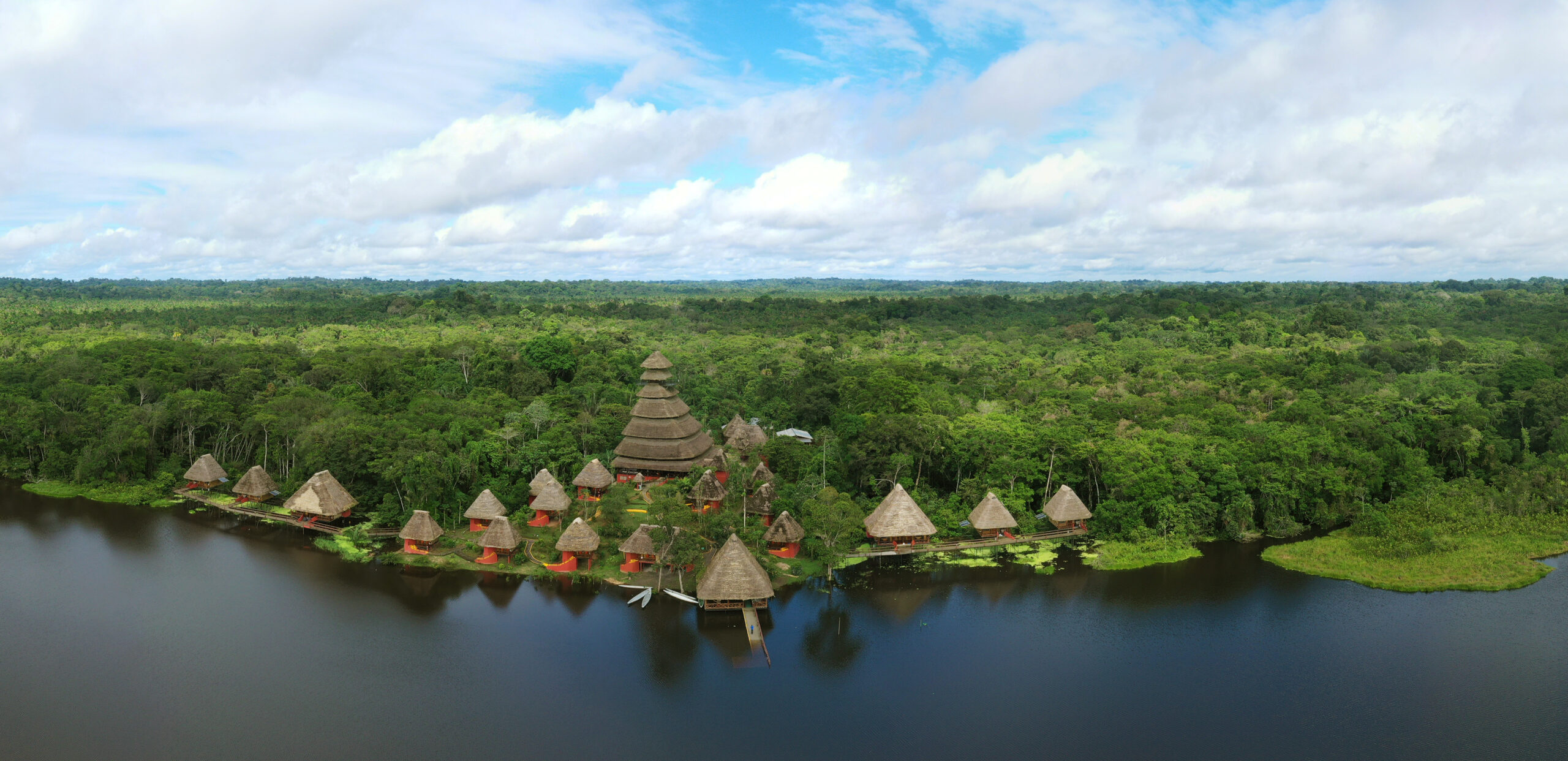
Top Lodges: Napo Wildlife Center, La Selva Lodge, Sacha Lodge
Unique Feature: Parrot clay licks accessible from several lodges
Cuyabeno Wildlife Reserve - Aquatic Wonderland
Characterized by: Extensive lake systems and flooded forests
Access via: Lago Agrio (flight from Quito + overland + boat)
Best For: Aquatic wildlife viewing, canoe enthusiasts
Special Experience: Higher likelihood of spotting pink river dolphins
Cultural Access: Several indigenous communities welcome visitors
Napo River Basin - Most Accessible Option
Logistical Advantage: Closest to Quito, easiest for shorter itineraries
Access via: Coca (most frequent flights from capital)
Best For: First-time visitors, families, those with limited time
Language: Highest concentration of English-speaking guides
Convenience: Most lodges include all transfers in packages
Documentation & Entry Requirements
Passport: Valid for at least 6 months beyond entry date
Tourist Visa: Not required for most nationalities for stays under 90 days
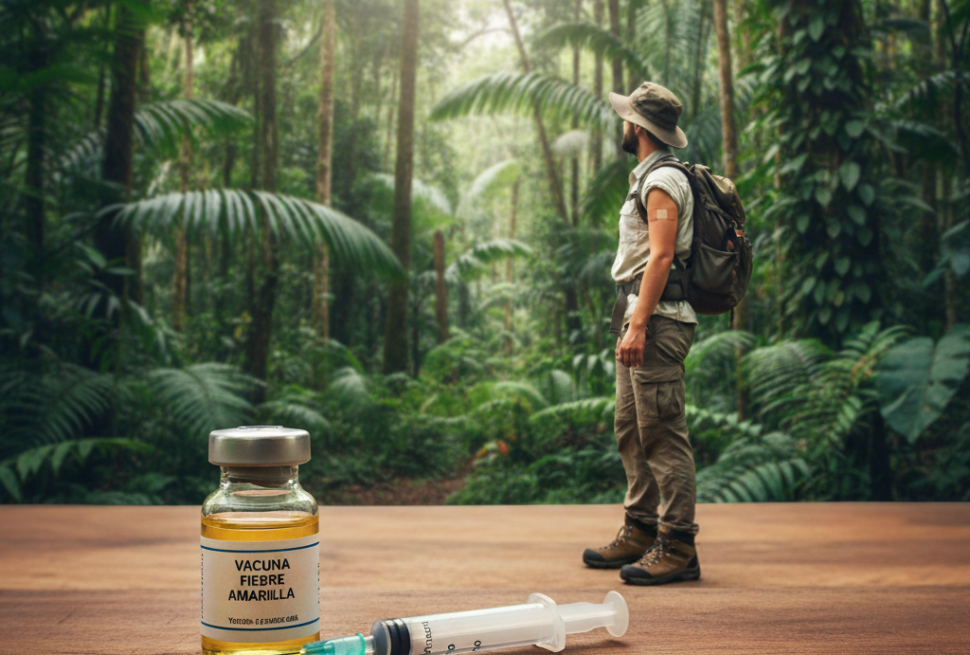
Vaccinations: Yellow Fever recommended (certificate sometimes required)
Travel Insurance: Essential—must cover medical evacuation from remote areas
Health Preparations
Travel Clinic Visit: 4-6 weeks before departure for personalized advice
Recommended Vaccines: Routine, Hepatitis A & B, Typhoid, Yellow Fever
Malaria Prophylaxis: Recommended for most Amazon regions
Altitude Note: Amazon is low elevation—no altitude sickness concerns
Physical Considerations
Moderate Fitness: Daily activities include 2-5 miles of walking on uneven terrain
Heat Adaptation: Temperatures range 75-90°F with 80-95% humidity
Mobility: Some lodges have boardwalks; others require more agility
Preparation: Light cardio before trip enhances enjoyment
Complete Packing List for the Rainforest
Lightweight Long Sleeves: 3-4 (protection from sun and insects)
Quick-Dry Pants: 2-3 pairs (convertible styles work well)
Quality Rain Gear: Waterproof jacket and pants (not disposable ponchos)
Swimwear: For lodge pools and safe swimming areas
Important: Avoid cotton—it retains moisture and dries slowly
Footwear System
Rubber Boots: Usually provided by lodges (bring thick socks)
Water Shoes/Sandals: For wet landings and around lodge
Light Hiking Shoes: Optional for drier conditions
Headwear: Wide-brimmed hat with chin strap
Bandanas: Multiple uses from sweat management to sun protection
Health & Protection
Insect Repellent: DEET 25-30% or Picaridin-based formulas
Permethrin: For treating clothing before departure
High SPF Sunscreen: Waterproof, SPF 50+
Personal Medical Kit: Include prescription medications, antibiotics
Water Purification: Tablets as backup (lodges provide safe water)
Essential Equipment
Binoculars: Crucial for wildlife viewing—8×42 recommended
Camera Gear: With telephoto capability, waterproof protection
Headlamp: With red light setting for night activities
Power Banks: Electricity often limited at lodges
Dry Bags: Protect electronics and important items
Journey to the Amazon: Step-by-Step Logistics
International Arrival: Fly into Quito’s Mariscal Sucre International Airport
Quito Overnight: Recommended for acclimatization and rest
Domestic Flight: Morning flight to Coca (30 min) or Lago Agrio (35 min)
River Journey: Motorized canoe to lodge (1.5-3 hours)
Rainforest Days: Typically 3-5 nights at lodge
Return: Reverse journey to Quito for international departure
Practical Travel Tips
Arrive Early: Spend night in Quito before Amazon flight
Luggage Limits: Small planes have strict weight limits (typically 25-30 lbs)
Carry-on Essentials: Medications, camera, binoculars, change of clothes
Booking: Most lodges include all transfers in package prices
Amazon Lodge Selection Guide
Table: Lodge Comparison for Different Travel Styles
| Lodge | Region | Price Range (pp/night) | Best For | Key Features |
|---|---|---|---|---|
| Napo Wildlife Center | Yasuní | $600-800 | Luxury seekers | Community-owned, private cabins, spa |
| La Selva Lodge | Yasuní | $500-700 | Comfort + adventure | Canopy tower, jacuzzi, excellent guides |
| Sacha Lodge | Napo | $450-650 | Photographers | Canopy walk, butterfly farm, photography hides |
| Mashpi Lodge | Cloud Forest* | $800-1200 | Luxury + uniqueness | Glass cable car, luxury spa, biodiversity |
| Cuyabeno Lodge | Cuyabeno | $300-500 | Value + culture | Community visits, lake access, good value |
*Note: Mashpi is cloud forest, not Amazon proper, but often included in Ecuador rainforest itineraries
Why Choose Fusion Travel Ecuador for Your Amazon Journey
Our specialized service provides:
Personalized Matching: We match travelers with ideal lodges based on interests, fitness, and preferences
Complete Logistics: Seamless handling of flights, transfers, and accommodations
Expert Preparation: Detailed guidance on health, packing, and expectations
In-Country Support: 24/7 assistance throughout your Ecuador journey
Sustainable Partnerships: We work with certified eco-lodges and community initiatives
Integrated Itineraries: Easy combination with Galapagos, Andes, or other Ecuador destination
Our Amazon specialists design personalized rainforest adventures that balance discovery with comfort, and excitement with safety. Let us handle the details while you focus on the experience.
«Yellow Fever vaccination is strongly recommended and sometimes required by lodges. Other recommended vaccinations include Hepatitis A & B, Typhoid, and routine boosters. Malaria prophylaxis is advised for most Amazon regions. Requirements can change, so consult a travel medicine specialist 4-6 weeks before your trip for current recommendations.»
«All reputable lodges have basic first aid capabilities and staff trained in emergency response. Most have radio or satellite communication for contacting medical services. Serious cases typically involve evacuation by boat and then air to Quito, which is why comprehensive travel insurance with medical evacuation coverage is essential. We only work with lodges that have established emergency protocols.»
«Accessibility varies significantly between lodges. Some have extensive boardwalk systems that accommodate limited mobility, while others require navigating uneven trails and boat transfers. We can recommend specific lodges with better accessibility and help design a suitable itinerary. Please discuss any mobility considerations during the planning process so we can ensure a comfortable experience.»
«Insects are a natural part of the rainforest ecosystem. Their presence varies by season—fewer in dry season, more abundant in wet season. With proper preparation including treated clothing, effective repellent, and lodge-provided mosquito nets, most travelers find insects manageable. Those with severe insect allergies or sensitivities may prefer dry season visits and should consult with their doctor about additional precautions.»